





Electrode coating plant · Xinxiang, Henan +86 373 8795215 WhatsApp +852 6935 9940 sale@ti-anode.com
Ti‑AnodeXinxiang Future Hydrochemistry Find my cell

RP Chlorinator Cell

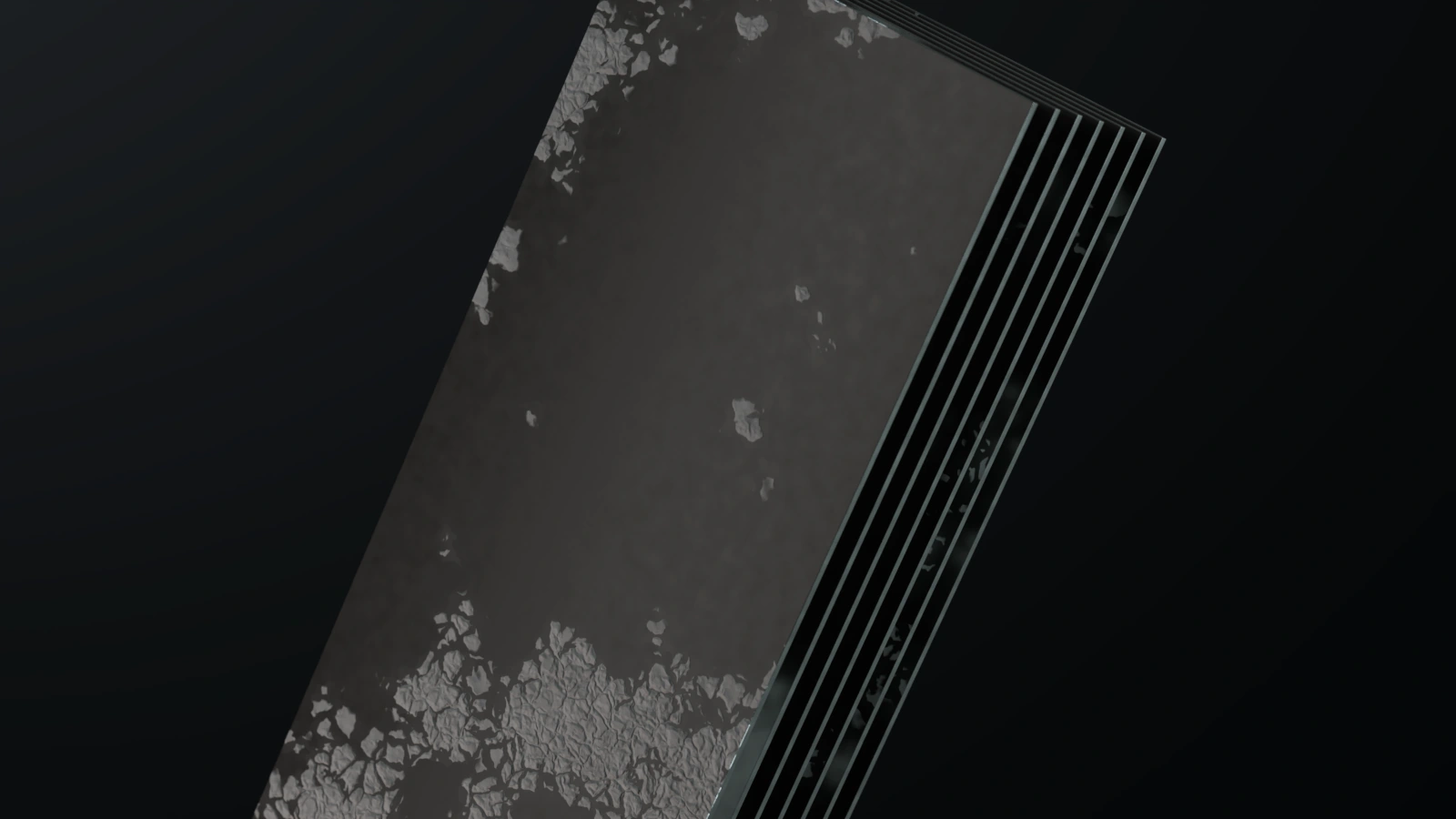
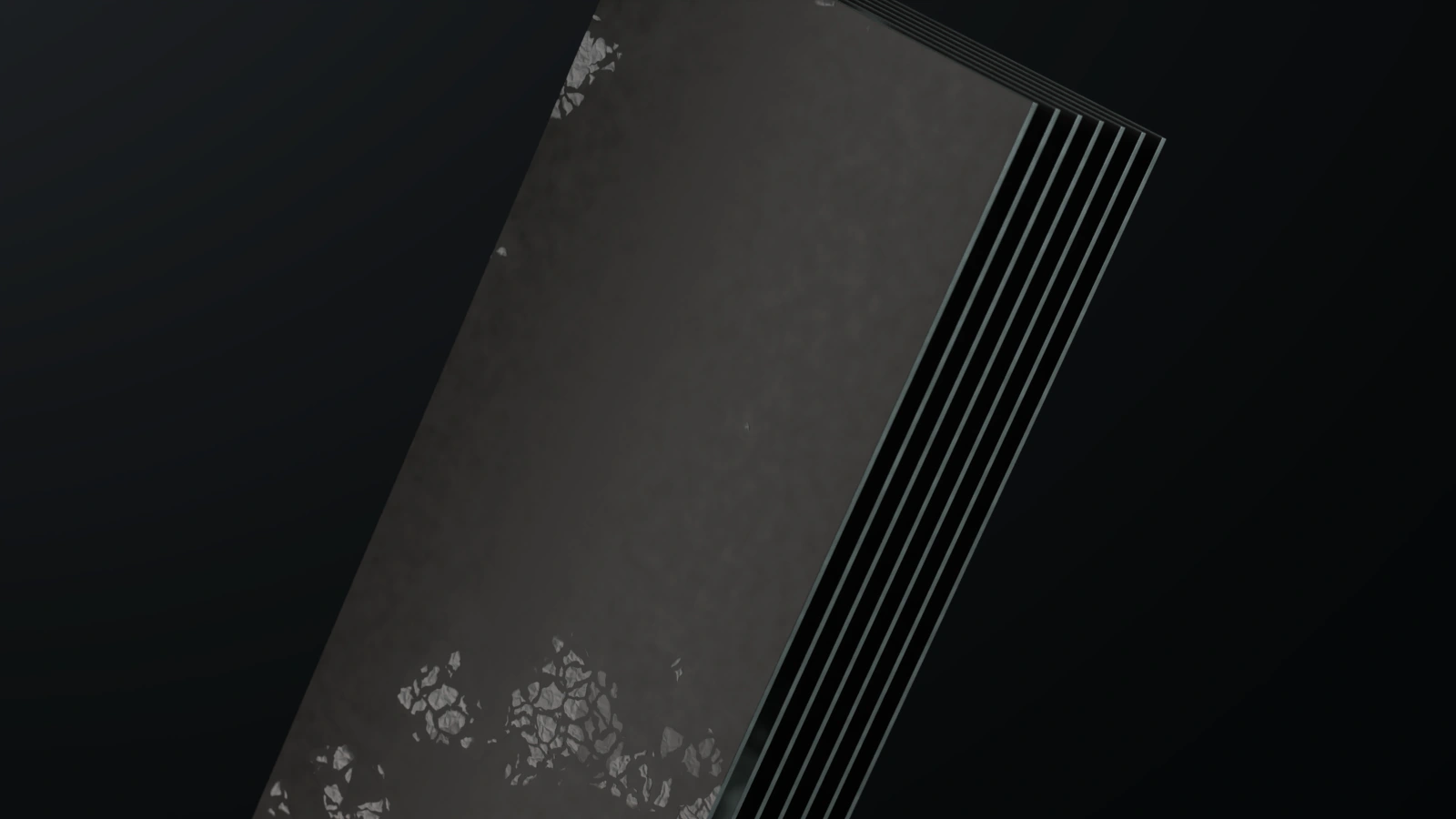
Render of the seven-plate stack with pale calcium deposit sitting on top of the dark coating, heaviest along the lower edge of the front plate.
ScaleCalcium sitting on the coating, not in it.
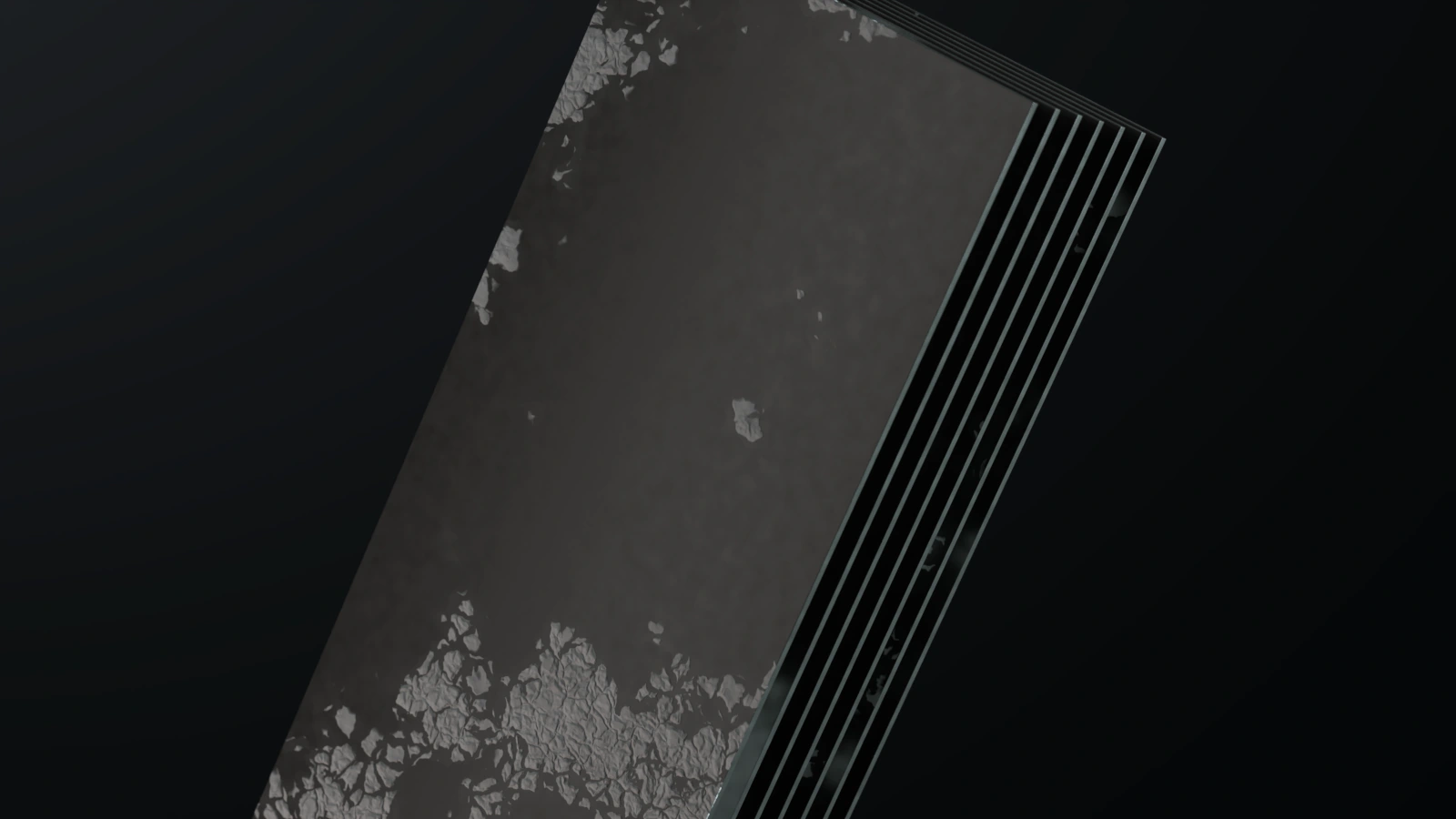
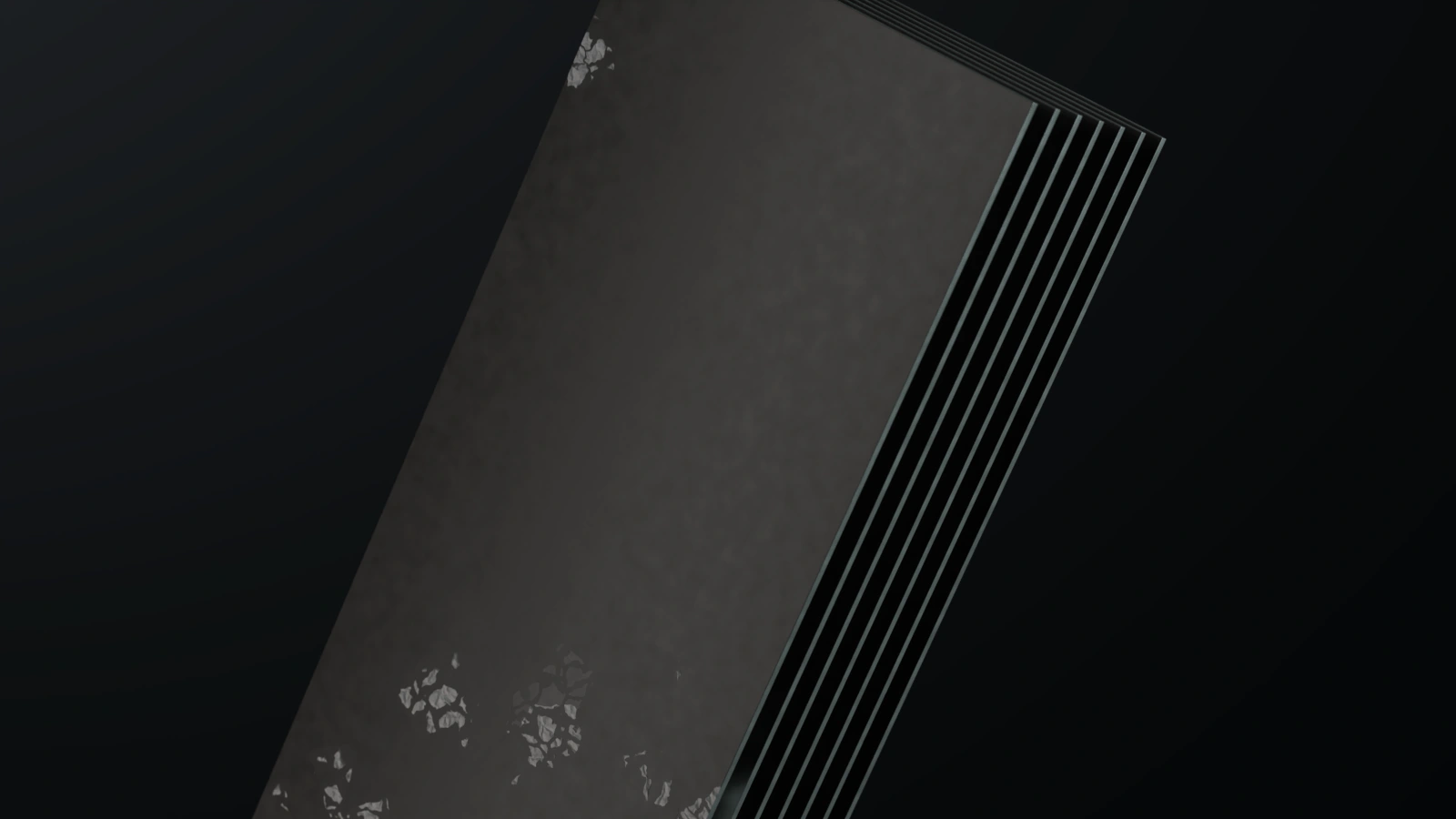
Render of the same stack mid-cycle: the calcium has broken up and retreated from the edges of each clump, and the coating showing through is the same dark satin as before.
Polarity reversedThe deposit lets go.
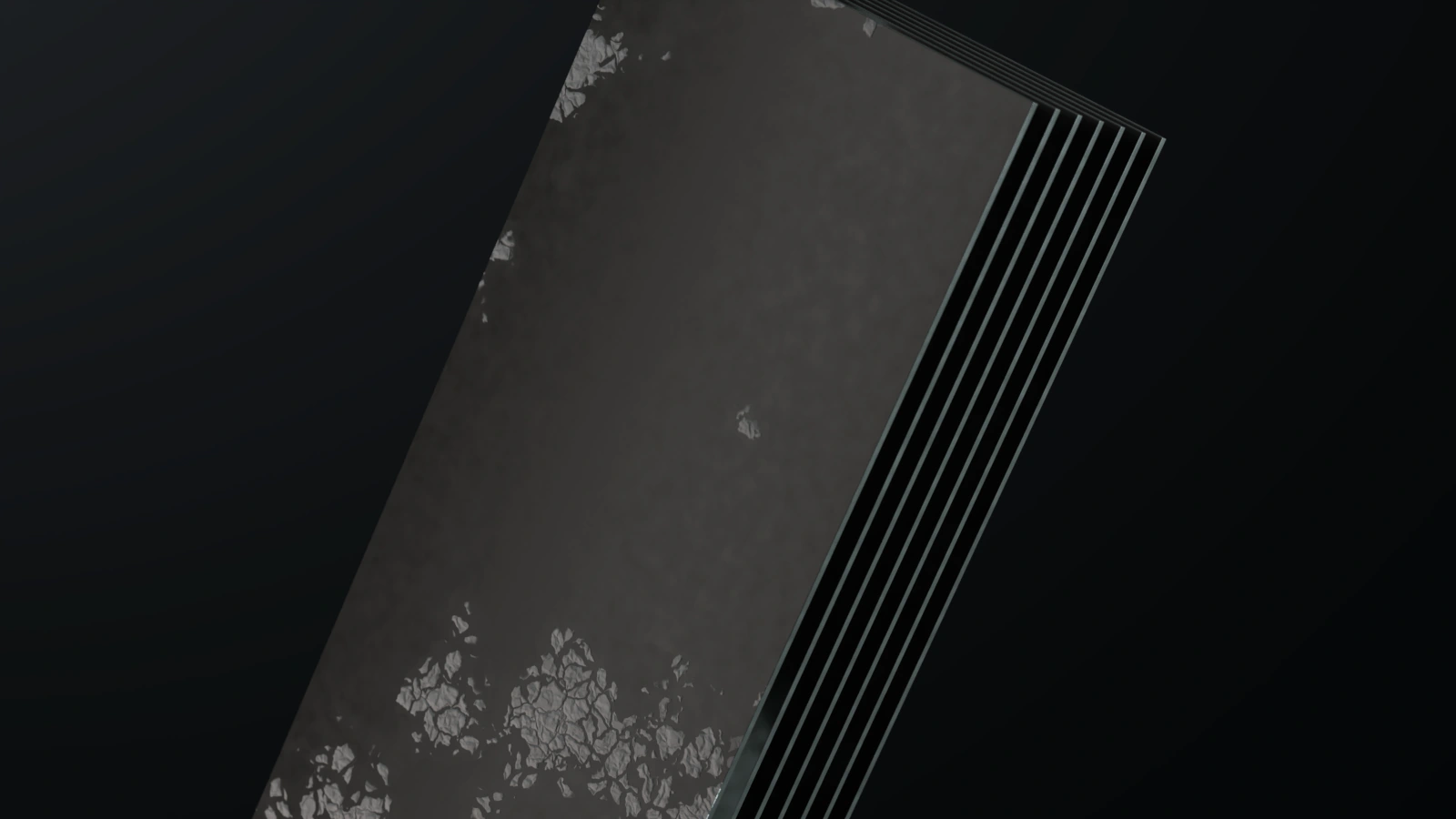
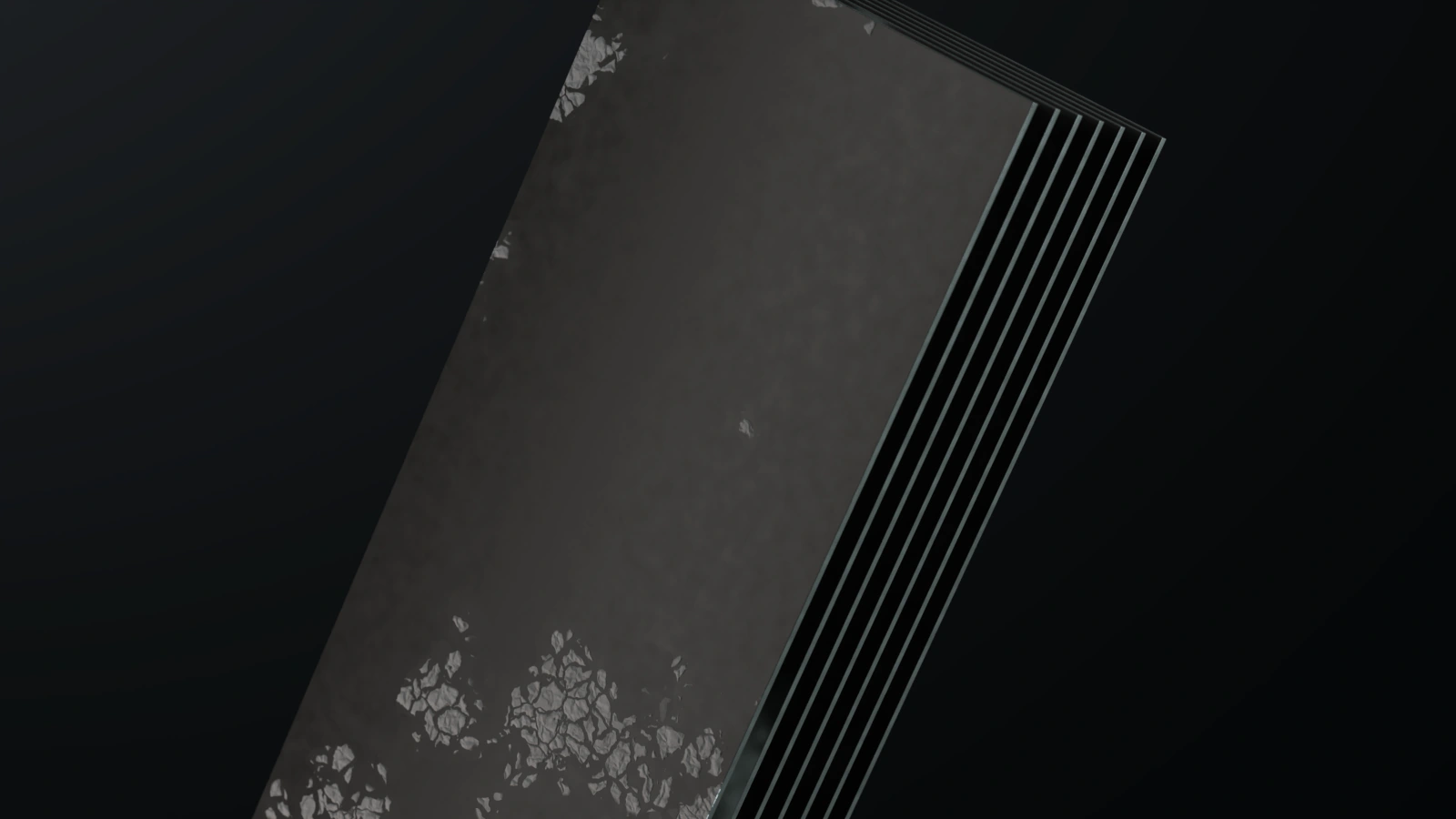
Render of the seven-plate stack with the coating clear of deposit: a dark satin surface, indistinguishable from the frame the sequence opened on.
RunningThe frame this cycle opens and closes on.
1 · Running

Seven plates. All of them coated.

Ruthenium–iridium mixed metal oxide, both faces, every plate. On a reverse-polarity cell each plate takes its turn as the anode, so there is no plate that can afford to be bare. 1.0 mm thick, 4.0 mm apart.

2 · Scale

Hard water leaves calcium on the coating.

Not damage — a deposit, sitting on top of a layer that has not changed. This is the point in the week where a monopolar cell owner goes and finds the acid.

3 · Polarity reversed

The plates swap roles. The scale lets go.

Anode becomes cathode, cathode becomes anode. What grew under one polarity has nothing holding it under the other, and the water carries it out through a 50 mm port.

4 · The first frame again

Rated ≥10,000 h. The coating is still the coating.

You are looking at the frame this cycle opened on — the same plates, the same layer. Across the cycle the only thing that was spent is your maintenance schedule.

Polarity · plates 1–7 Acid washes this cycle 0

Rated ≥10,000 h — and nothing in the routine touches the layer.

Endurance is what the reversal is for. The coating is never scrubbed, never soaked, never handled; what finally ends a cell is the layer being used up making chlorine, not the maintenance it survived.

RP — this cellRP — reverse polarity

Every plate is coated on both faces, because every plate takes its turn as the anode. The cell sheds its own scale. No acid washing.

Descaling routine None

AC — the alternativeAC — monopolar

Coated anodes, bare titanium cathodes. Polarity never reverses, so scale builds up: plan on a periodic acid wash, 1 part HCl to 15 parts water.

Descaling routine HCl 1:15, periodic

≥10,000Rated cell life, h
250Max working pressure, kPa
3,500–7,000Salinity, ppm
50Port inside diameter, mm

What this page will not print Coating load — grams of mixed metal oxide per square metre — is the specification that separates a good cell from a cheap one. The factory has not released its figure, so no figure appears here. Ask us for it in writing, and ask whoever else is quoting you for theirs.

RP Chlorinator Cell
RP Chlorinator Cell

Our RP salt chlorinator has been in use in the market for over 20 years and is our mature product. Our customers have always been very satisfied with the quality of this product.

Characteristics of RP Chlorinator Cell

RP salt chlorinator cell consists of parallel titanium plates coated with Ruthenium Iridium, it used the polarization reversal technology, no need acid washing, it’s especially suitable for ordinary consumers, RP chlorine cell uses high-quality titanium electrodes produced by our company, which have higher performance and service life than similar products on the market, our RP series salt chlorinator can replace the RP product for Auto Chlor.

  1. Self-cleaning reverse polarity – reduces calcium buildup on electrodes, resulting in less maintenance.
  2. High performance and efficiency plate electrodes by ourselves.
  3. Transparent cell.
  4. Maximum working pressure: 250 Kpa.
  5. The brine strength is 3.5 – 7.0 Gram/l (Salinity 3,500 – 7,000 PPm).
  6. The cell lifetime is not less than 10000 hr.
  7. The pool capacity:Please refer to the data in the table below.
  8. The inside diameter of the inlet & outlet pipe is 50 mm.
  9. Quick installation, maintenance free and user friendly.
  10. No more purchasing, handling and storing chlorine chemicals.
  11. No more chlorine smell and itchy.
  12. Lowest running cost.
  13. But, we don’t provide power supply.

Now we have five models for you to choose from as follows:

RP series salt chlorinator parameter:

Model

Chlorine Output
g/h

Input AC Power

(kWh)

Input DC current
 (A)

Input DC voltage
(V)

Water Flow
L/mins

Dimensions
(Packaged)
L x W x H cm

Pool Size (Hot climates)

m3

PoolSize 

(Cool climate)

m3

Salinity Range
PPm

RP-10

10

0.098

10

5~7

150 – 450

35 x 20 x 15

20

40

3500 - 7000

RP-15

15

0.168

15

5~7

150 – 450

35 x 20 x 15

35

60

3500 - 7000

RP-20

20

0.222

20

5~7

150 – 450

35 x 20 x 15

45

80

3500 - 7000

RP-25

25

0.275

25

5~7

150 – 450

35 x 20 x 15

65

120

3500 - 7000

RP-35

35

0.505

35

5~7

150 – 450

35 x 20 x 15

120

180

3500 - 7000

If you are interested in our RP salt chlorinator and would like to purchase samples for testing, please click the shopping cart to purchase it.

salt chlorinator cell 2